
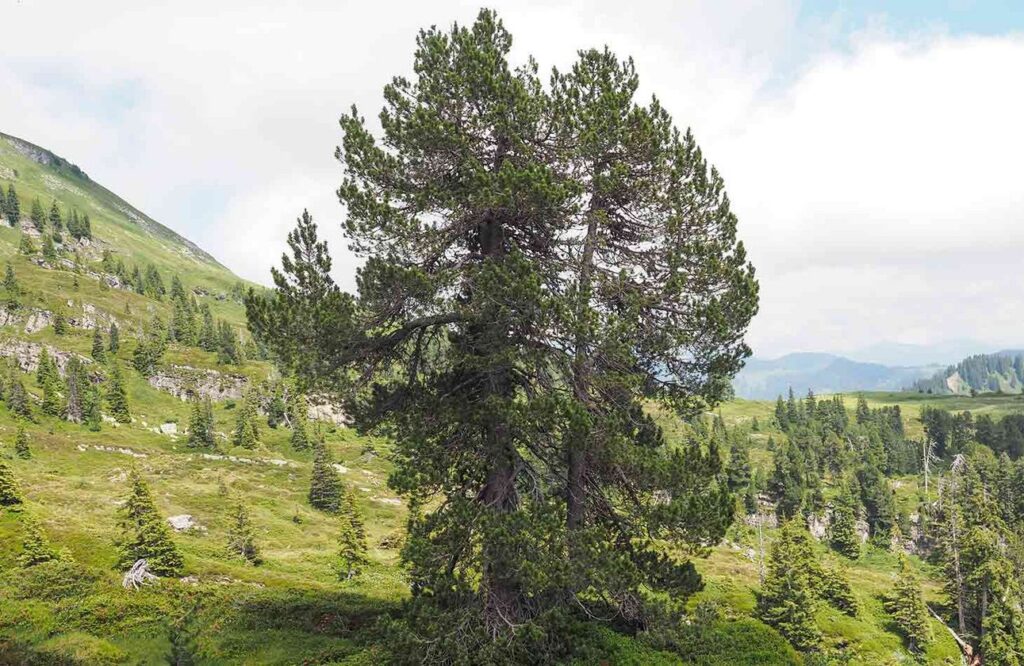
Forests are priceless ecosystems. They are an essential component in the fight against climate change, as they capture the greenhouse gas carbon dioxide (CO₂) and generate oxygen at the same time. Forests also serve as recreation areas for people, provide habitats for many rare and endangered animals and plant species, act as a water store and produce wood – an important renewable building material.
While the focus in developing countries tends to be on protecting forests, industrialised nations are aiming to adapt the forestry industry in response to climate change and to promote biodiversity. This happens through adapted management, on the one hand, whereby the use of wood in the forest is reduced through specific silvicultural measures. On the other hand, it is also possible to establish a natural forest reserve where utilisation is abandoned completely. The project in the Beatenberg-Habkern region pursues the second approach.
Natural Forest Reserve Facilitates Carbon Storage
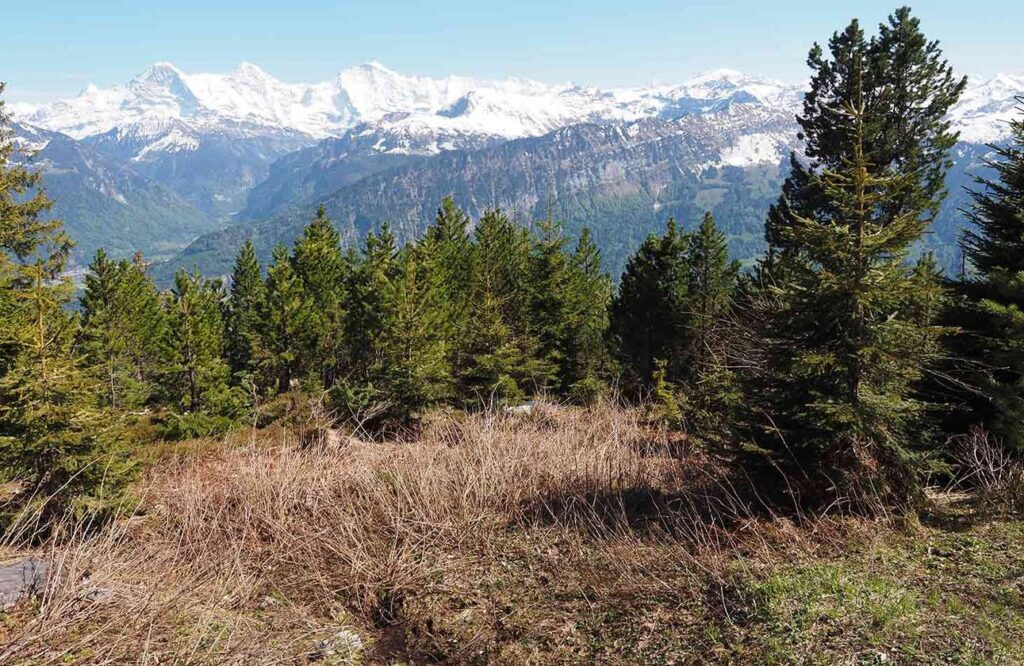
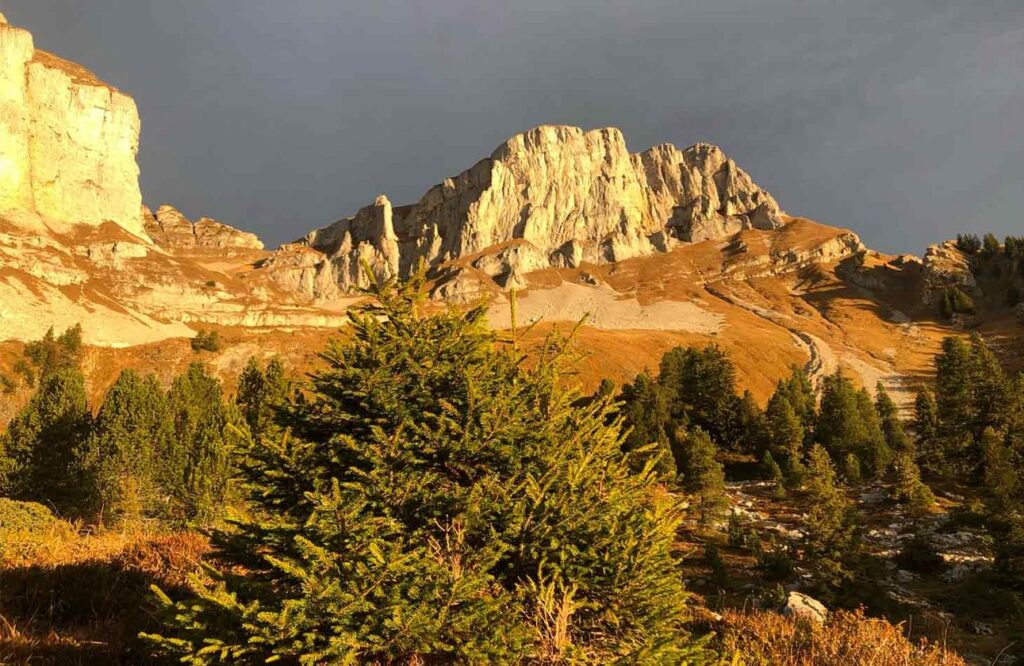
This carbon offset project encompasses an area of around 592 hectares of forest in the Beatenberg-Habkern region. The forest is currently used for a variety of purposes, but the implementation of the project guarantees that use of the area for forestry will be abandoned. That means the amount of wood in the forest will build up and habitats for rare and endangered animal and plant species will be preserved or improved or can develop anew.
As a result of the current forest management and use of wood, the wood reserves amount to around 244 cubic metres per hectare, which means that the forest is unable to fully reach its potential as a carbon sink. In future, full abandonment of timber utilisation should help to create a forest with wood reserves of 488 cubic metres per hectare. That means the project will lead to a doubling of the wood reserves over the same area.
This carbon sink function – that is the storage of carbon in the forest’s biomass (trunks and branches) and in the soil – is also described as a nature-based solution, meaning the use of a natural process as a solution to counter global warming. This carbon dioxide removal is an important process in reaching the negative emissions that are urgently needed to achieve the Paris climate goals.
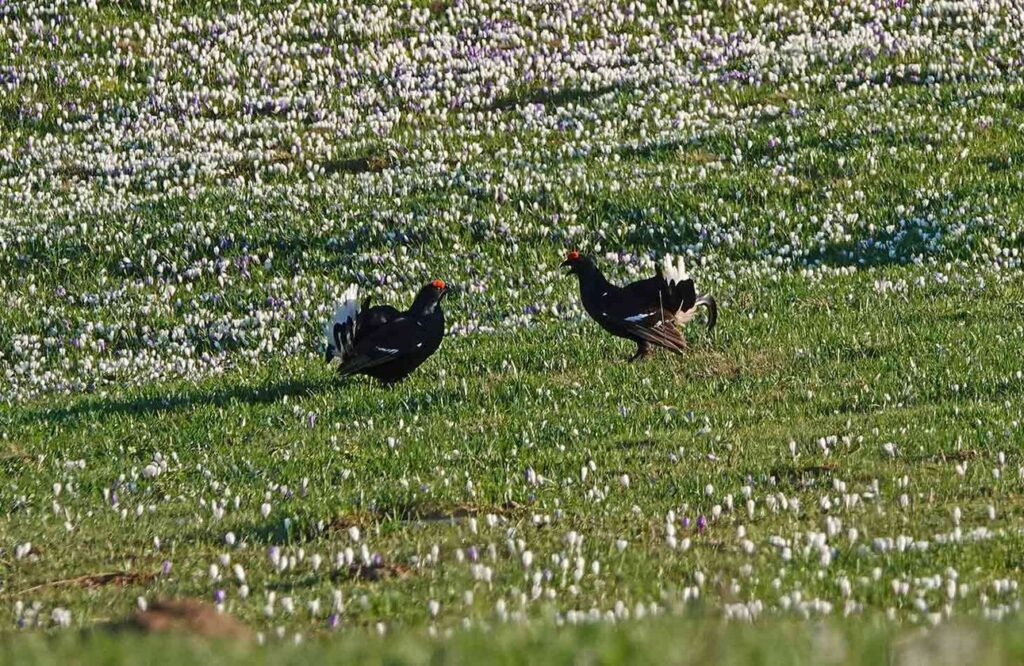
Forest Reserve Secures Habitat for Black Grouse and Three-toed Woodpecker
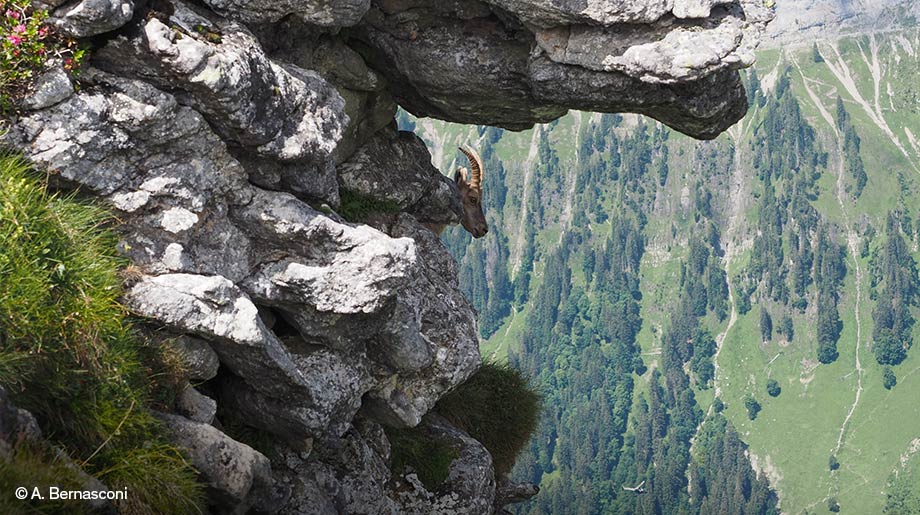
In addition to the positive impact on the climate, the project also has an influence on the biodiversity of the flora and fauna. The complete abandonment of utilisation means habitats are preserved and promoted, and the species have a safe heaven in which to grow and reproduce. The more densely overgrown forest sections and the deadwood left behind create important habitats that animals lack in managed forests.
The indicator species of this forest reserve are capercaillie, black grouse, hazel grouse and the three-toed woodpecker. An indicator species is an animal or plant species that is characteristic of a certain habitat and which reacts especially sensitively to changes in the environment because of its particular requirements. Where indicator species are found, there are also good conditions for numerous other species found within the same habitat. Consequently, protective measures like this forest reserve not only help the indicator species, but also entire communities of animal and plant species.
Justcote Ltd.
Company number: 13881985
Address: Devonshire House, Ettingshall Rd, Wolverhampton WV2 2JT
Telephone: +44 333 050 3479


