Forest Conservation through Efficient Cook Stoves in the Himalayas
Project type: Efficient cook stoves
Project location: Meghalaya, India
Project status: In Operation, no credits available Annual CO₂ reduction: 25'000 t CO₂
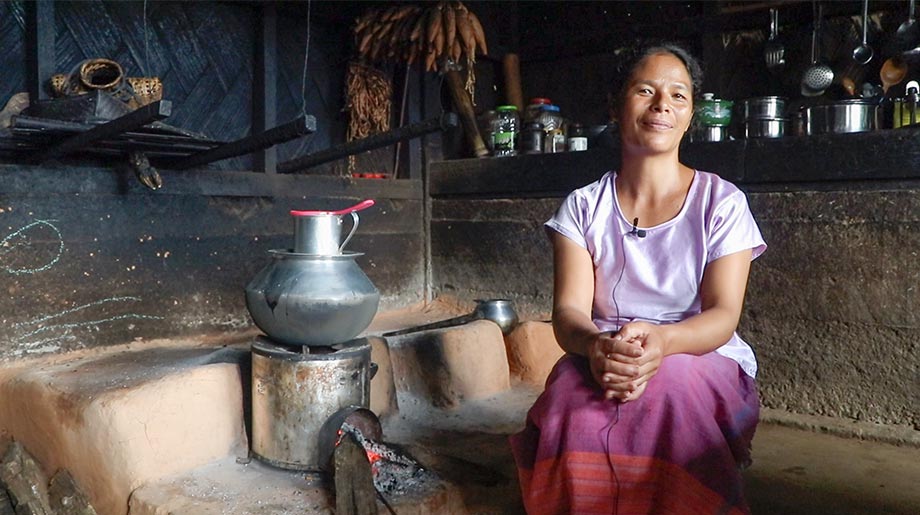
This carbon offset project involves the installation and maintenance of improved domestic cook stoves in remote areas in the Garo Hills in India. The stoves have improved combustion, resulting in less wood consumption for cooking, reduced carbon emissions, decreased indoor air pollution and less deforestation. At the same time, the project will enable communities to save time and invest resources and efforts into developing sustainable and homestay tourism as the villages are located near national parks.
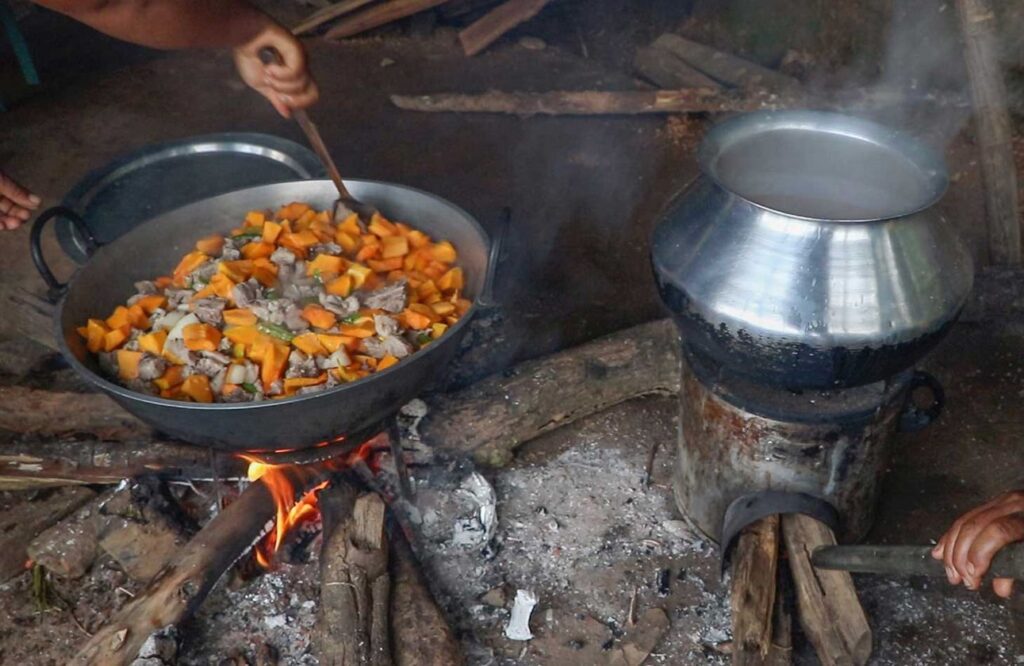
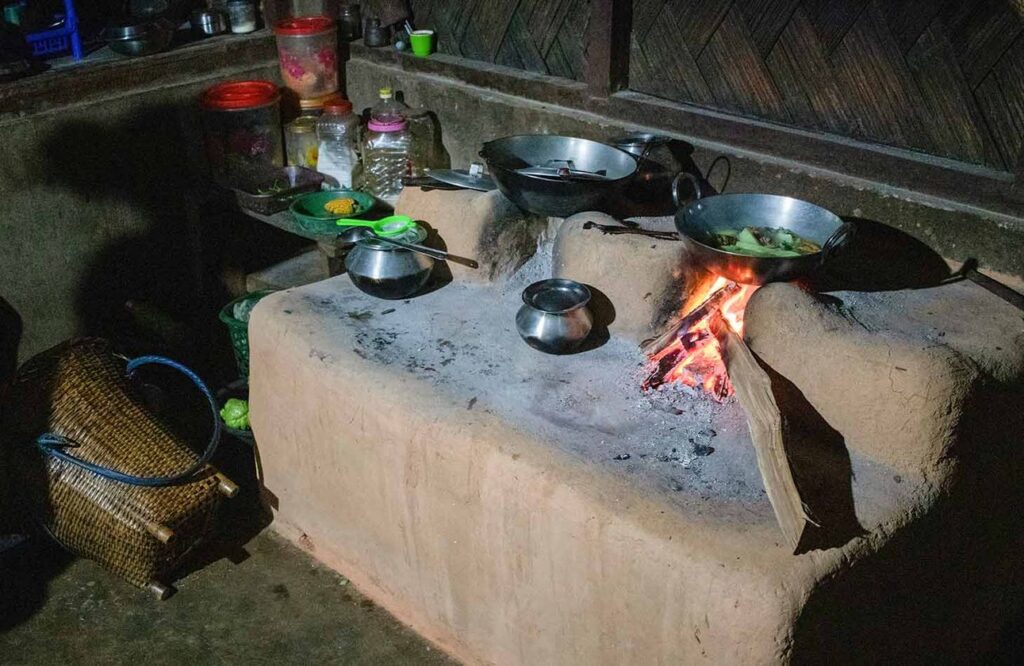
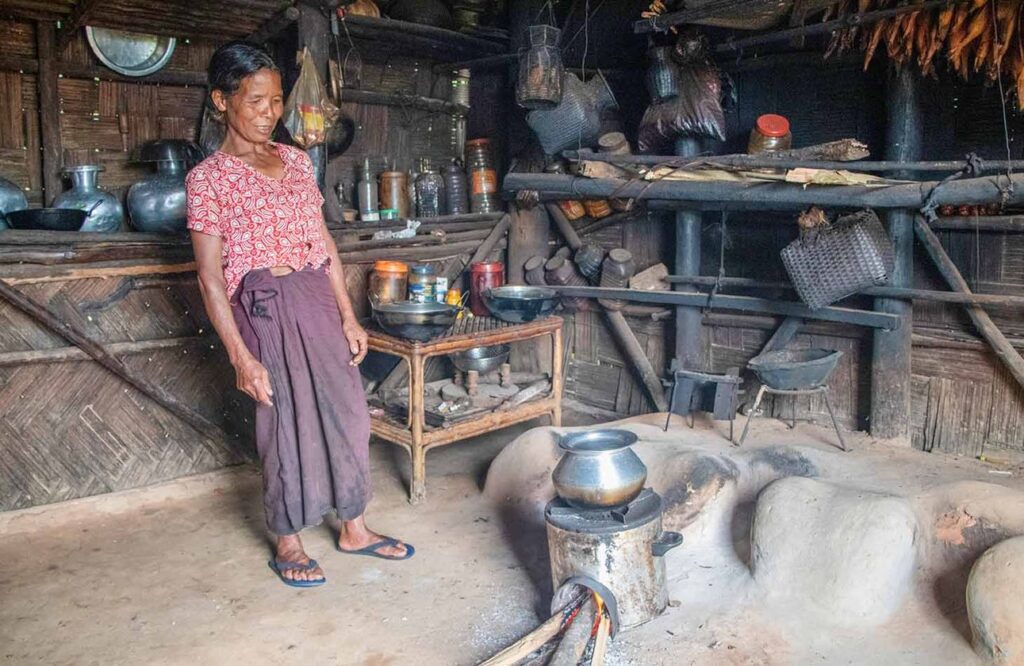
The Garo people are an indigenous folk in the north east part of India residing in the state of Meghalaya and one of the few remaining matrilineal societies in the world. They still use open stoves extensively and rely on wood for fuel. These open stoves require a large amount of fuel and are very smoky which disproportionally affects women and children to household air pollution and can result in adverse health effects like respiratory illnesses and ischemic heart disease. Meanwhile, much more firewood needs to be extracted out of the neighboring forests and more time has to be spent by women and children for gathering and transporting the wood.
Efficient stoves lead to fewer health issues and avoid deforestation
In this project, improved cook stoves will be installed to replace the open stoves commonly used in the area. The improved stoves come with a patented air regulation technology that leads to better combustion i.e. increased efficiency and reduced smoke. The stoves reduce black carbon emissions by 40 per cent, reducing respiratory issues associated with indoor air pollution. The stoves meanwhile require 50 to 60 per cent less fuel and 50 per cent less cooking time to provide the same output. This means that households regain time otherwise spent for gathering firewood and cooking; with more time, women have more opportunities, and children can do more schoolwork. Less fuel required also means reduced CO₂ emissions and avoided deforestation.
Livelihood creation through sustainable tourism
The activity is implemented in cooperation with Global Himalayan Expedition (GHE). GHE is the first-of-its-kind social impact initiative in India, which combines development initiatives with a focus on providing clean energy, digital education, health access, carbon offset, while leveraging sustainable tourism as a means to create positive social impact. Their focus is on reaching out to marginalized communities living in the remotest parts of India, to promote sustainable and inclusive progress. This initiative has been recognized by the United Nations for its work on energy access and livelihood creation through tourism and has also won several awards at national and international arena. Since 2013, GHE has electrified more than 160 villages and impacted the lives of more than 100,000 villagers in the remote parts of India. This will be the initiative’s first improved cook stove project, and myclimate supports GHE to develop the project as a carbon offset project.
Contact
Do you have any questions? Please do not hesitate to contact us:
Foundation offsetmycarbon, 044 500 43 50, sales@offsetmycarbon.net
This project contributes to 2 SDGs:
Around 450 t of CO₂ will be saved annually.
These SDGs have been approved by myclimate:
Around 2 400 MWh of renewable heat will be generated annually.